Brain
Sleep, concentration, memory, mood, and migraine patterns.

Women’s health · Midlife · Menopause
Let’s talk about what is happening in the rest of the body.
Most of us were taught that hormones had something to do with periods, pregnancy, and sex. Then midlife arrived and introduced a much larger conversation.
Menopause can affect how you sleep, think, feel, move, and experience your body. This page will help you understand the transition, recognize changes worth discussing, and ask better questions when you meet with your healthcare provider.
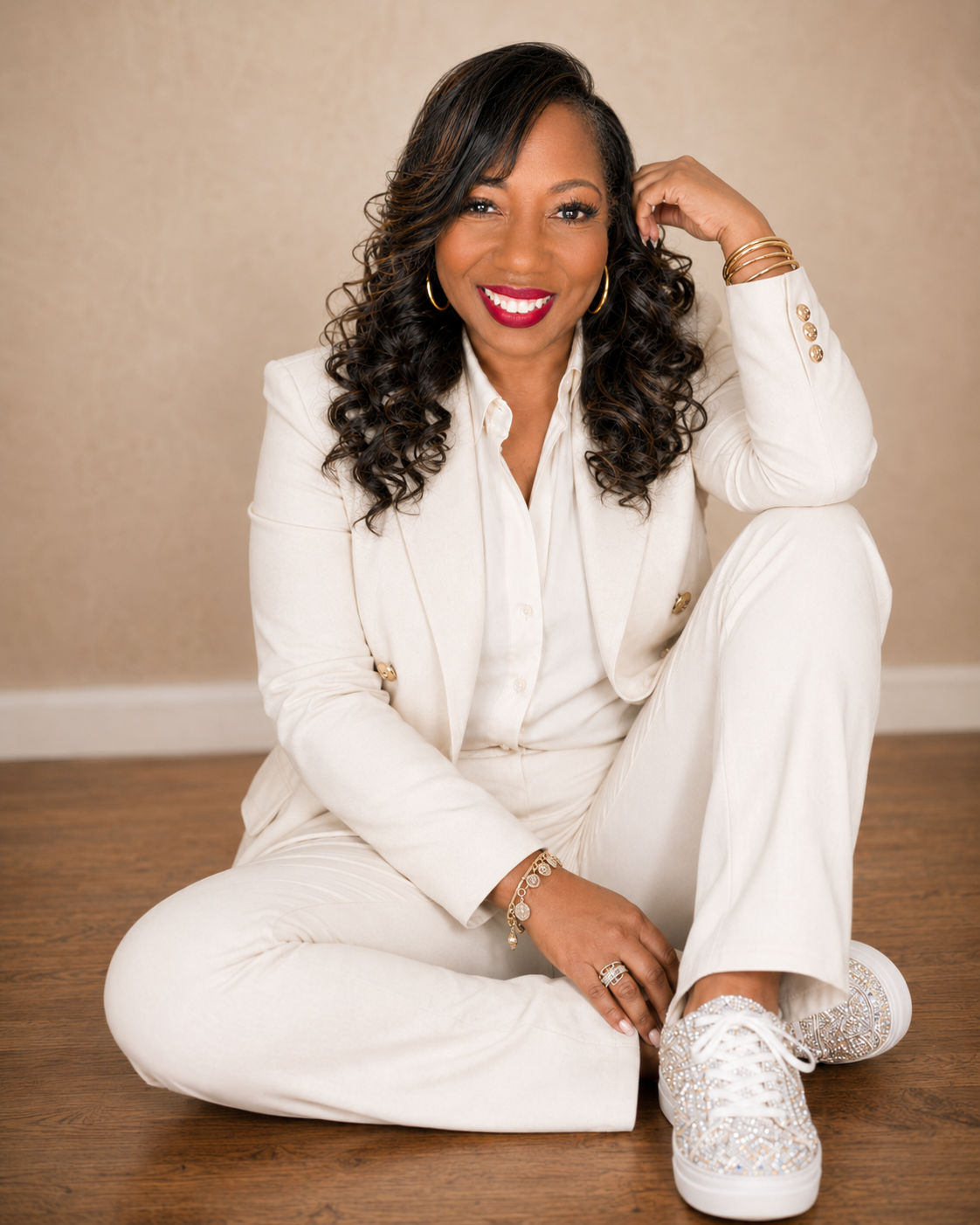
“I knew something had changed. I just didn’t understand how one transition could affect so many parts of my body.”
Katrina’s perspective
Menopause is not something I understand only from books. I experienced the sleepless nights, mood changes, and the confusion of knowing I did not feel like myself without always receiving a clear explanation for why.
What helped me was learning what the hormones were actually doing. Estrogen, progesterone, and testosterone are usually introduced to us as reproductive hormones, so it is easy to assume their work begins and ends with our sex organs. It does not.
My role is not to diagnose or prescribe. I help women understand the what and the why, find language for what they are experiencing, and prepare to work with qualified healthcare professionals on the how.
A whole-body transition
Estrogen affects the brain, bones, muscles, heart and blood vessels, urinary and reproductive systems, skin, hair, and other tissues. That is why the transition may show up in places that seem completely unrelated.
Sleep, concentration, memory, mood, and migraine patterns.
Strength, joint comfort, body composition, and bone density.
Blood pressure, cholesterol, blood vessels, and cardiovascular risk.
Dryness, sensitivity, thinning, and changes in texture.
Dryness, comfort, sexual function, urgency, and recurring infections.
Dry or irritated eyes, oral discomfort, and changes in gum health.
First, which stage?
Symptoms can begin while you are still having periods. You do not have to wait until your periods stop to ask whether hormonal changes may be affecting you.
Hormone levels can change unevenly. Periods may become irregular, heavier, lighter, shorter, or longer, and symptoms may continue for several years.
You have reached menopause after 12 consecutive months without a menstrual period or spotting when the change is not caused by another condition, medication, pregnancy, or surgery.
Some symptoms may improve, while others continue. Health conversations should include bones, heart, brain, metabolism, sexual health, and urinary health.
It can look different
No two women experience this transition in exactly the same way. Open each category for examples worth noticing and discussing.
These dropdowns are a quick symptom guide. The interactive symptom tracker is on the Midlife Resource Guide page.
There is no magic menopause test
For otherwise healthy women age 45 and older, perimenopause and menopause are usually identified through age, menstrual changes, symptoms, and medical history—not one definitive hormone test.
Testing may still be appropriate when symptoms begin earlier, the cause is unclear, or a clinician needs to investigate thyroid conditions, anemia, pregnancy, nutrient deficiencies, or another explanation.
There is no single number that explains your entire experience.
A practical place to begin
This is an appointment-preparation checklist, not the interactive tracker. You do not need to arrive with a diagnosis. You need enough information to explain what has been happening in your actual life.
Questions worth asking
Could these changes be related to perimenopause or menopause?
What else should we consider or rule out?
What options are available for the symptoms affecting me most?
Can you refer me to someone who regularly works with women in midlife?
Keep going
The Midlife Resource Guide brings together the private symptom tracker, nutrition and movement foundations, supplement information, recommended books, professional organizations, and resources you can return to as your questions change.
About your guide
Hi, I’m Katrina.
I’m a certified health coach, midlife educator, wellness entrepreneur, and Chief Relaxation Officer at Fundamentals Relaxation Spa in Metro Detroit. For more than 20 years, my work has centered women, wellness, and practical ways to feel better in the body.
Menopause is one part of a larger conversation about how women live, lead, work, rest, and make informed decisions about their health after 40. I believe women deserve accurate information, useful language, and the confidence to participate fully in those decisions.
Helping women over 40 live well, lead well, and rest freely.